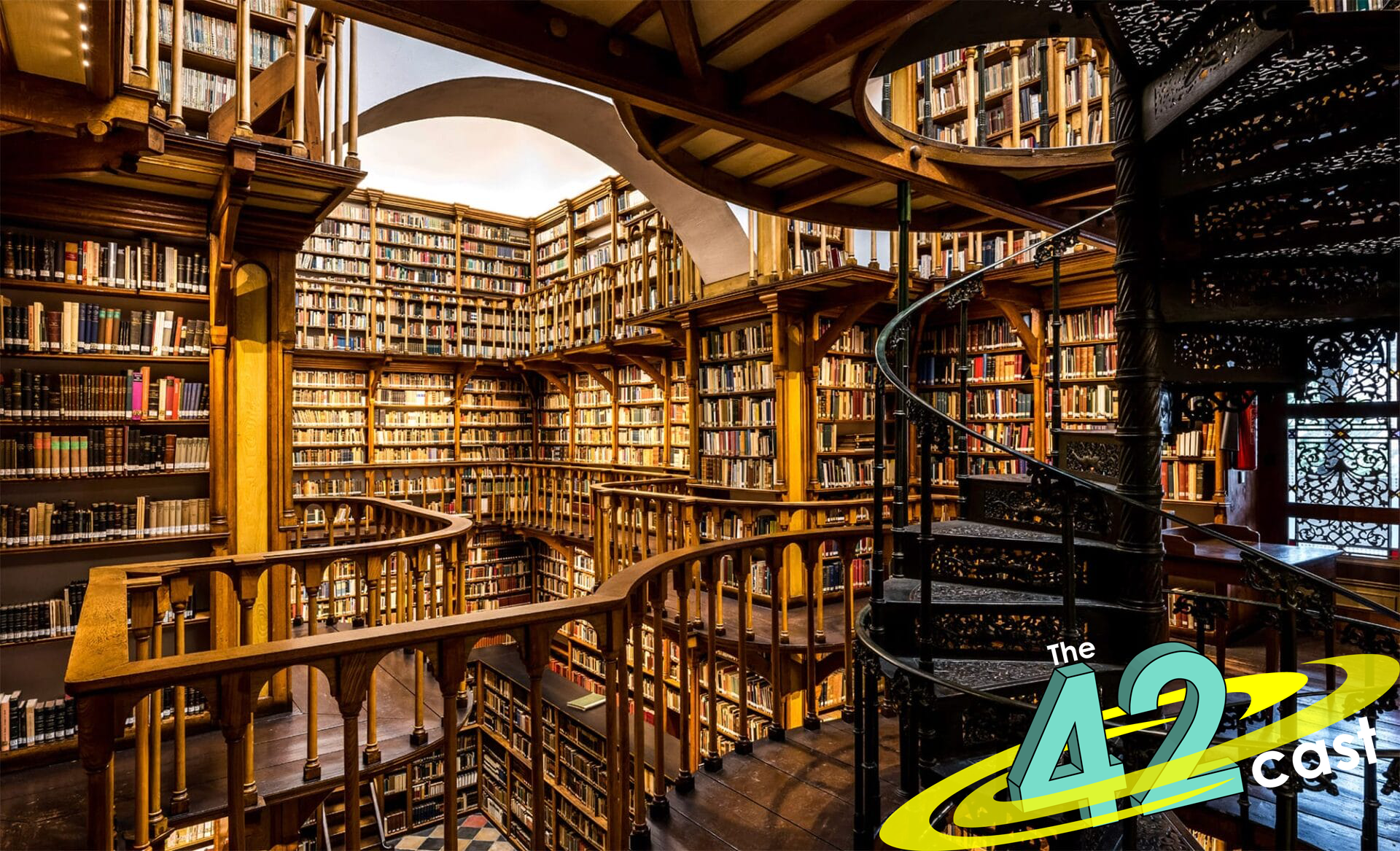
 Books are an important medium that can expand your mind and can show you spectacle that no TV series or film could ever match. In this episode we talk about some foundational, geeky books. We start by discussing the books that were essential to our own geeky journey. Then we talk about books that we think are good recommendations for those just starting off reading either science-fiction or fantasy.
Due to time constraints there is no five-minute controversy this week.
In this episode Alli; Kelley; Juliette; and newcomer, Andy, join the cast.
Like what you heard? Follow us on Facebook at www.facebook.com/42cast. You can also find us on X as @42cast, Instagram/Threads as 42cast, or Blue Sky as 42cast.bsky.social. We can also be found on Youtube or rss.com where you can find links to all of the various podcast providers where we can be found. Please, leave us a review. Have a question for the Ultimate Answer? E-mail us at [email protected]. Want to be part of the discussion, join our Discord Server where you can talk about any form of geekiness, opine on the episodes, or participate in our general silliness.
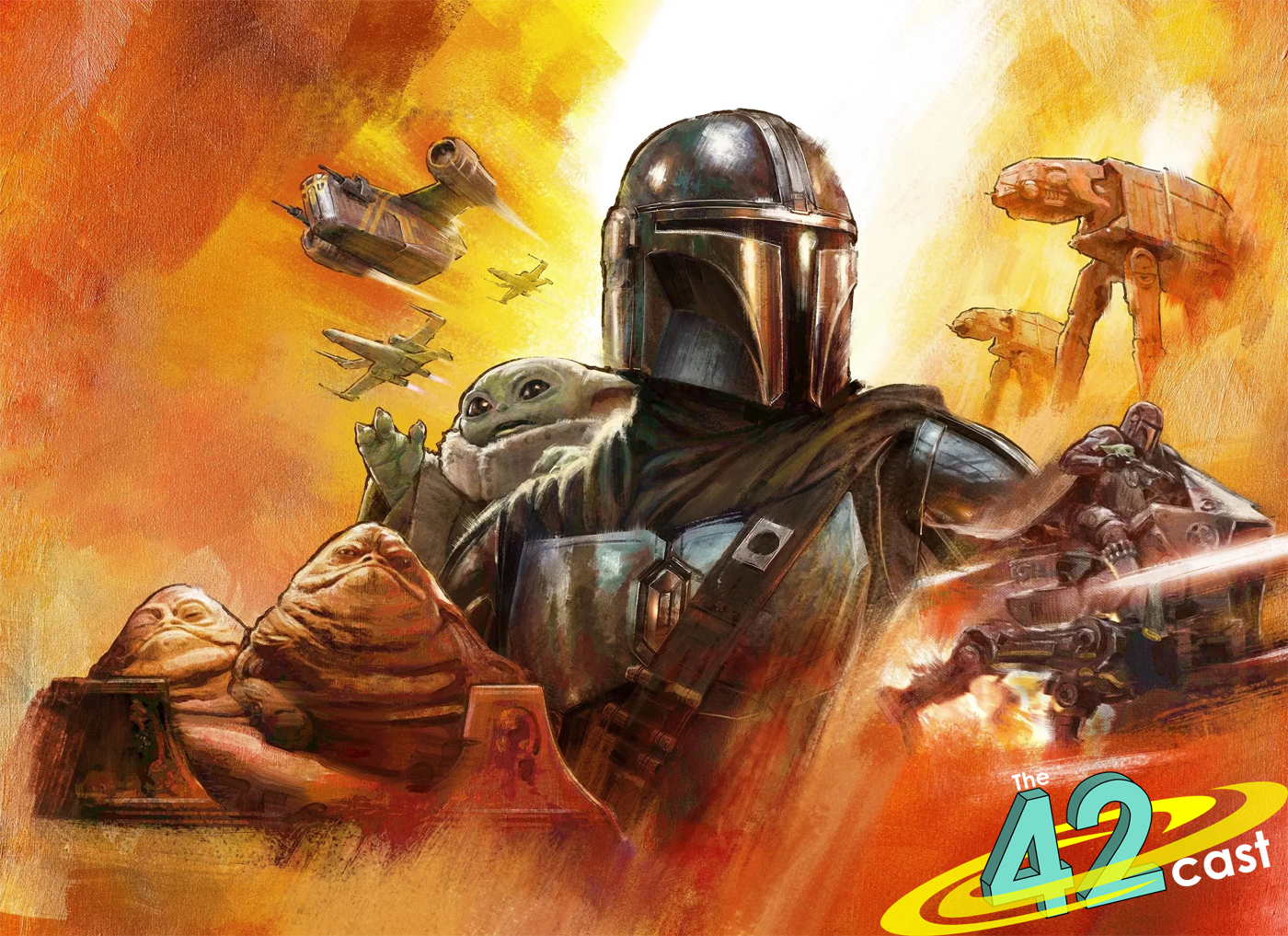 The Mandalorian was the first Star Wars series to debut in the Disney+ streaming era. In many ways it was fitting that it became the first series to cross-over into the realm of the feature film. In this episode we take a look at The Mandalorian and Grogu. We talk about the main characters as well as guest star Rotta the Hutt. We delve into the performances and the use of the characters in the story. We also discuss the plot and pacing of the story. Along the way we discuss the trajectory of the Star Wars franchise, whether a film or series works better for The Mandalorian as a character and concept, and what we’d like to see from Mando and Grogu in the future.
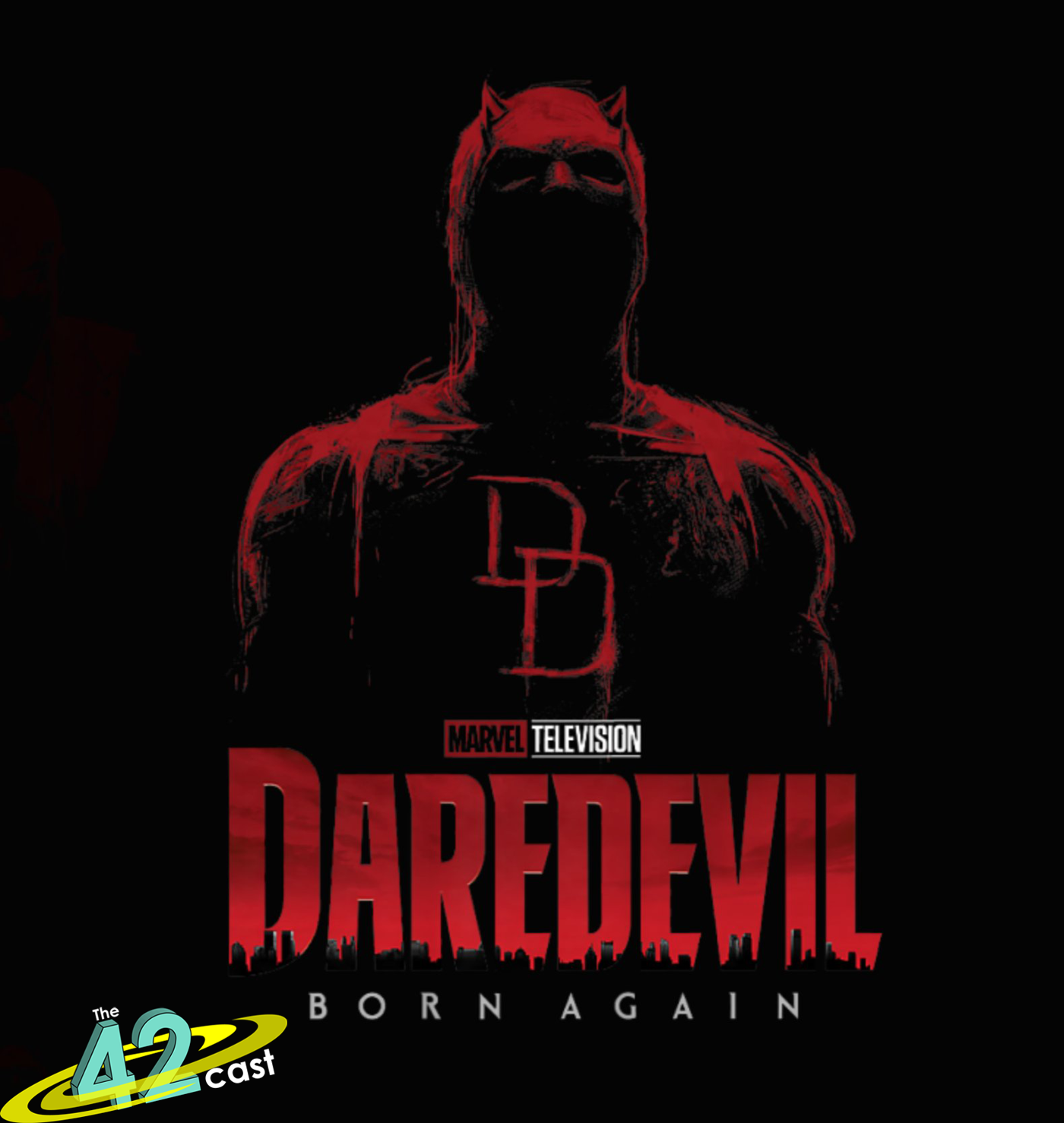 Daredevil: Born Again joins a very exclusive club of MCU Disney+ series that attained a second season. The series initially gained a 17 episode order from Marvel Studios with the first 9 airing last year, and the latter 8 airing this year. Likely due to the the large episode order, the second season plays as a continuation of the first rather than as a new season in its own right. In this episode we discuss the twists and turns of the story. We talk about the character depictions and their usage throughout the season. We also go into the weeds, diving into where this fits into the MCU timeline, the politics of the MCU, and what we think of the return of The Defenders next season.
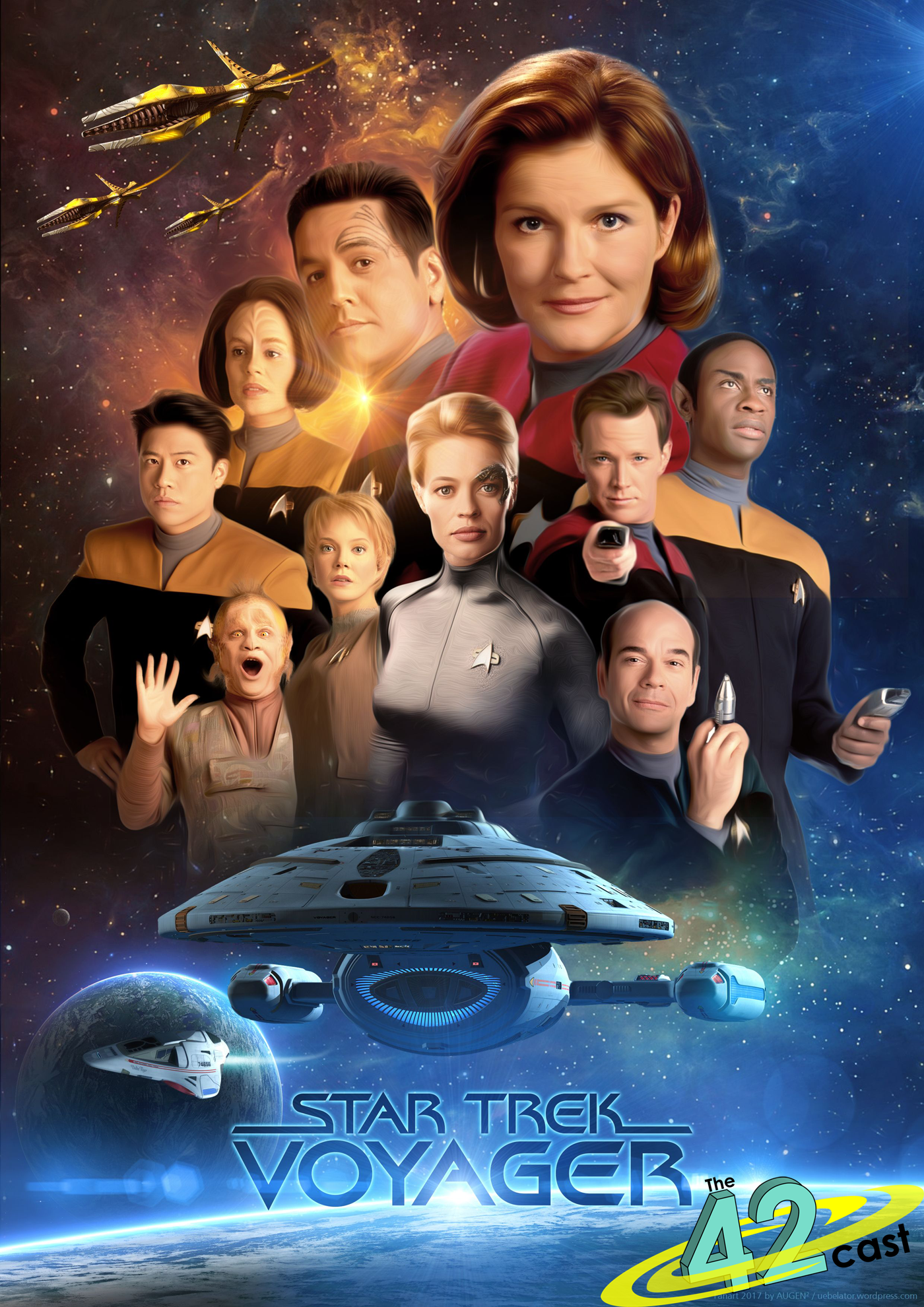 In the second part of our discussion of Star Trek: Voyager we complete our discussion of the main characters. We also delve into many of the recurring supporting characters and why they stick with us. We also talk about our favorite episodes and storylines within the series. We wrap things out by looking at the series’ conclusion and getting into what worked and what didn’t. Along the way we look at a proposed alternate ending, Kes’ fate, and whether there is one love story that isn’t better than Twilight.
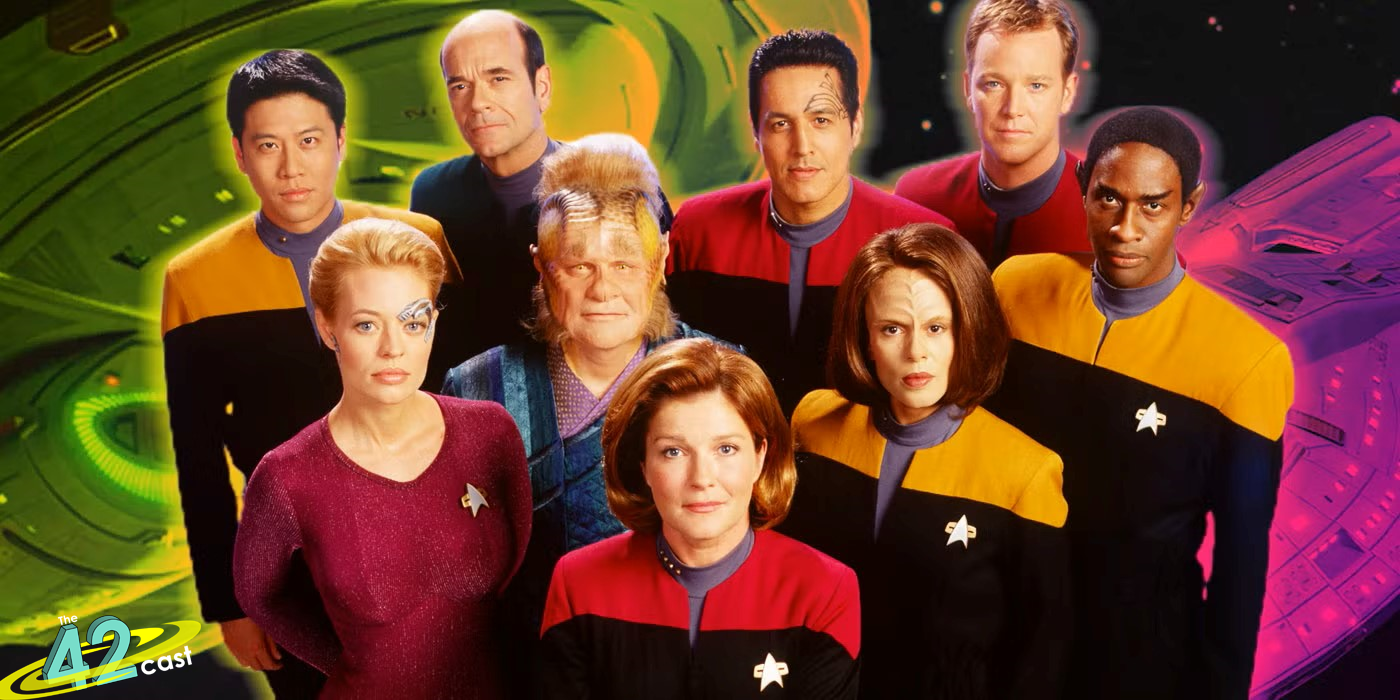 Star Trek: Voyager was the fourth live-action Star Trek series. It’s debut corresponded with the beginning of the UPN network and Voyager would be the flagship series for the network through its entire seven-year run. In this first part of a two-part discussion we discuss the series concept of Star Trek: Voyager and how it stacks up against the other Trek series. We also reveal our favorite characters and begin our conversation about the various members of the cast.
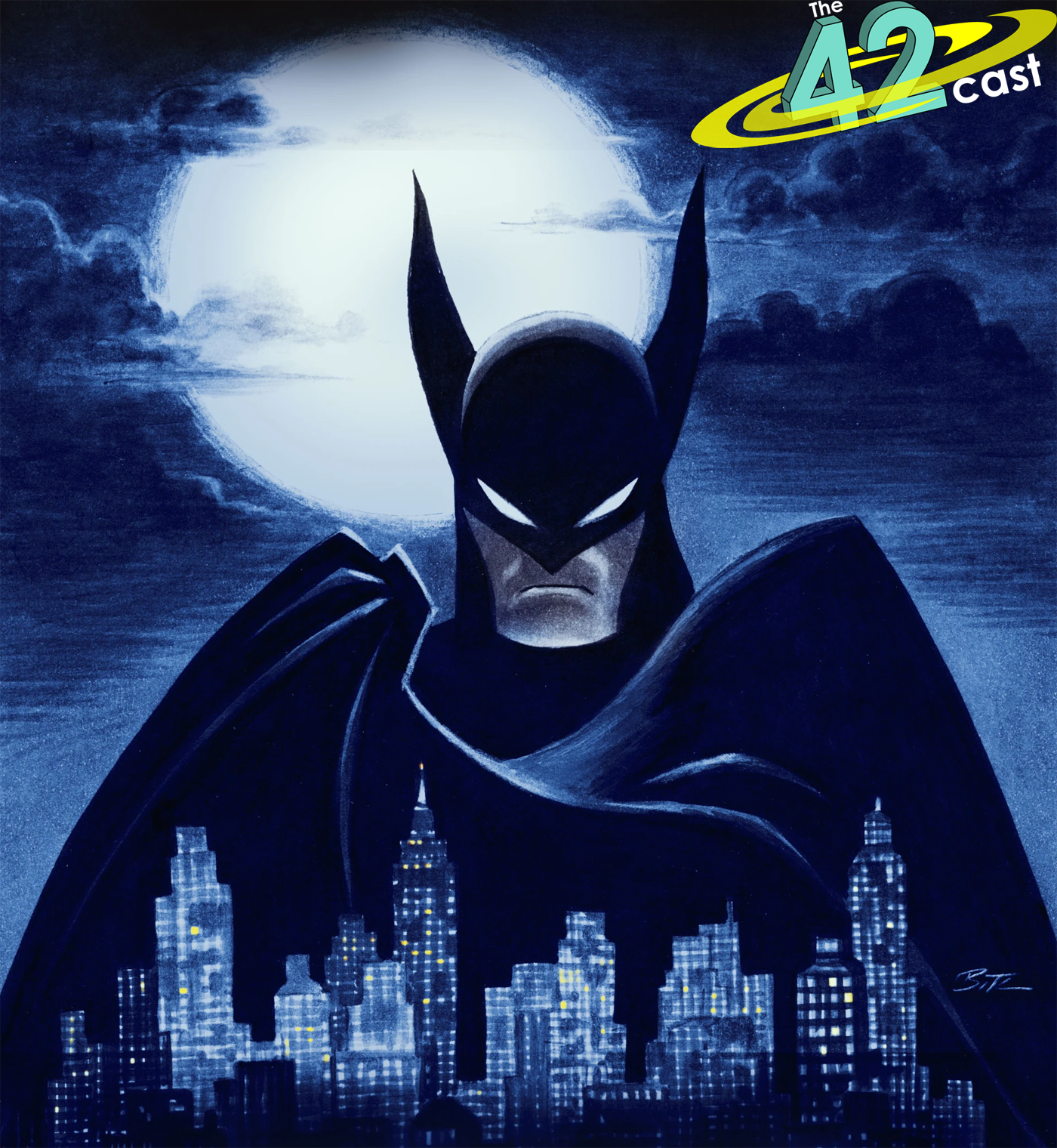 Batman: Caped Crusader instantly generated buzz when it was announced, because Bruce Timm was going to be involved with the series. Famously, Timm had been one of the principle creators behind the popular Batman: The Animated Series of the 90’s. Although much of the design aesthetic of the 90’s animated show is on display here, the series takes a much harder stance on time period being firmly set in a late-1940’s/early 1950’s Gotham city and with a Batman with far less techno-gadgetry than we are used to seeing. In this episode we take a look at the first season of this series. We discuss the visual style of the series. We debate the merits of showing a more socially forward Gotham than would have been accurate for the time period. We delve into the various re-imaginings of Batman, his supporting cast, and his various rogues. We also talk about the vocal performances for the characters and what that tells us about the series.
 The concept of the hero is an important part of how we see the world. Whether it’s real life do-gooders or the protagonists of our favorite stories we enjoy learning about and honoring heroes. In this episode we examine the concept of the hero. We discuss the core traits of the hero. We delve into our pasts and talk about the heroes that were important to our development. We also debate the place of the anti-hero and whether we’ve taken the concept too far. We also get into the heroes of the real world as well discussions of how sometimes even mundane acts of bravery can be heroic.
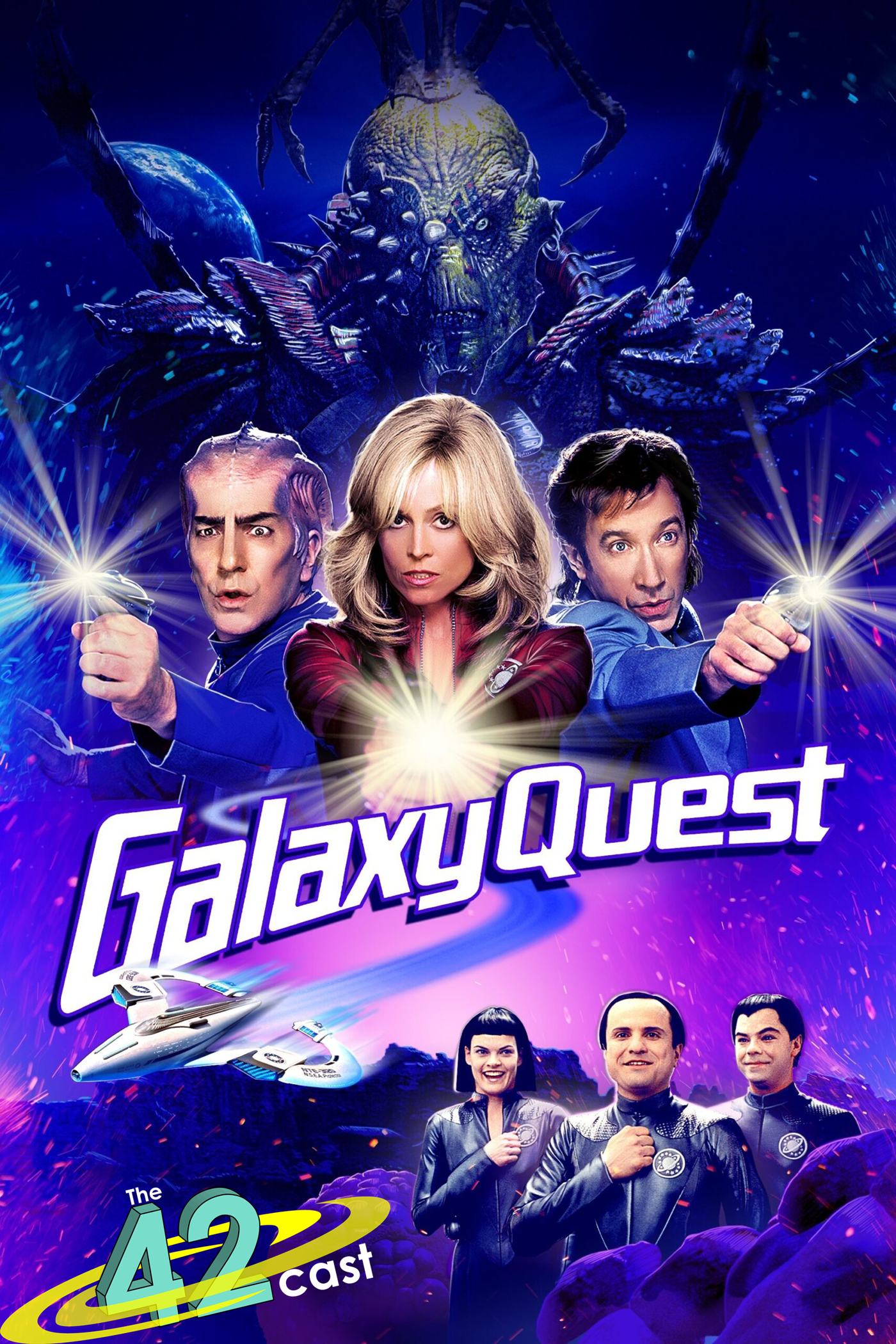 Galaxy Quest was an homage to Star Trek that released in 1999. Featuring some present and future big names in Hollywood the film told the story of the actors who had formerly played in a popular sci-fi TV series and how their series had inspired others in a way beyond their wildest imagination. In this episode we discuss Galaxy Quest. We talk about the reasons for its enduring appeal. We question whether it should be referred to as a “parody of Star Trek”. We discuss the characters and performances. Along the way we talk about effects, music, legacies of sci-fi, celebrating fandom and so much more.
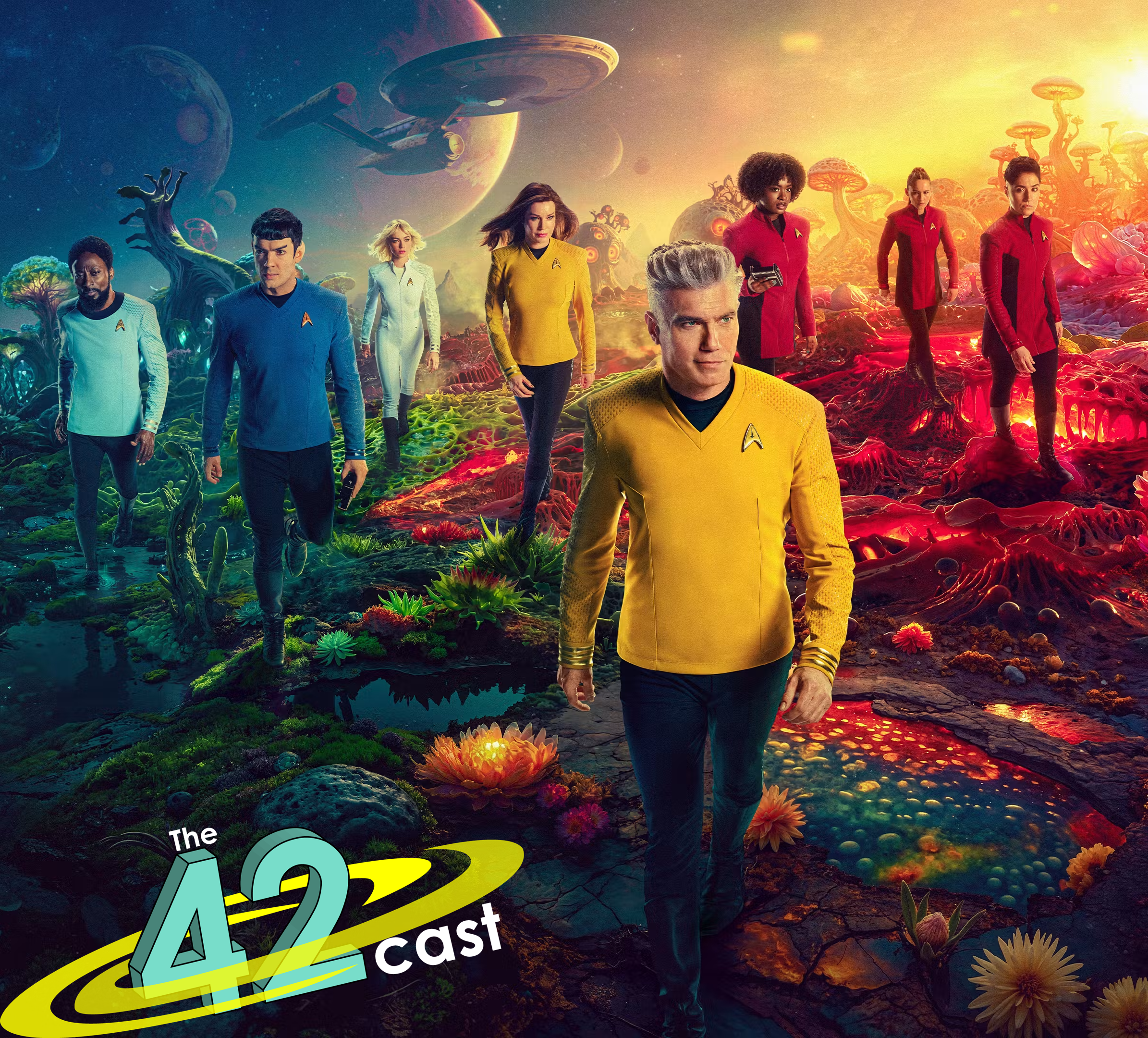 Star Trek: Strange New Worlds returned for it’s third season last year. The season wrapped up the cliffhanger from season 2 and catapulted the cast into scenarios both farcical and horrific. In this episode we take a look at the season as a whole. We discuss whether the shenanigans have gone too far. We debate whether the Gorn resolution felt satisfactory. We talk about the horrific elements and how well they integrated into the story as a whole. We also get into what we’d like to see from season 4.
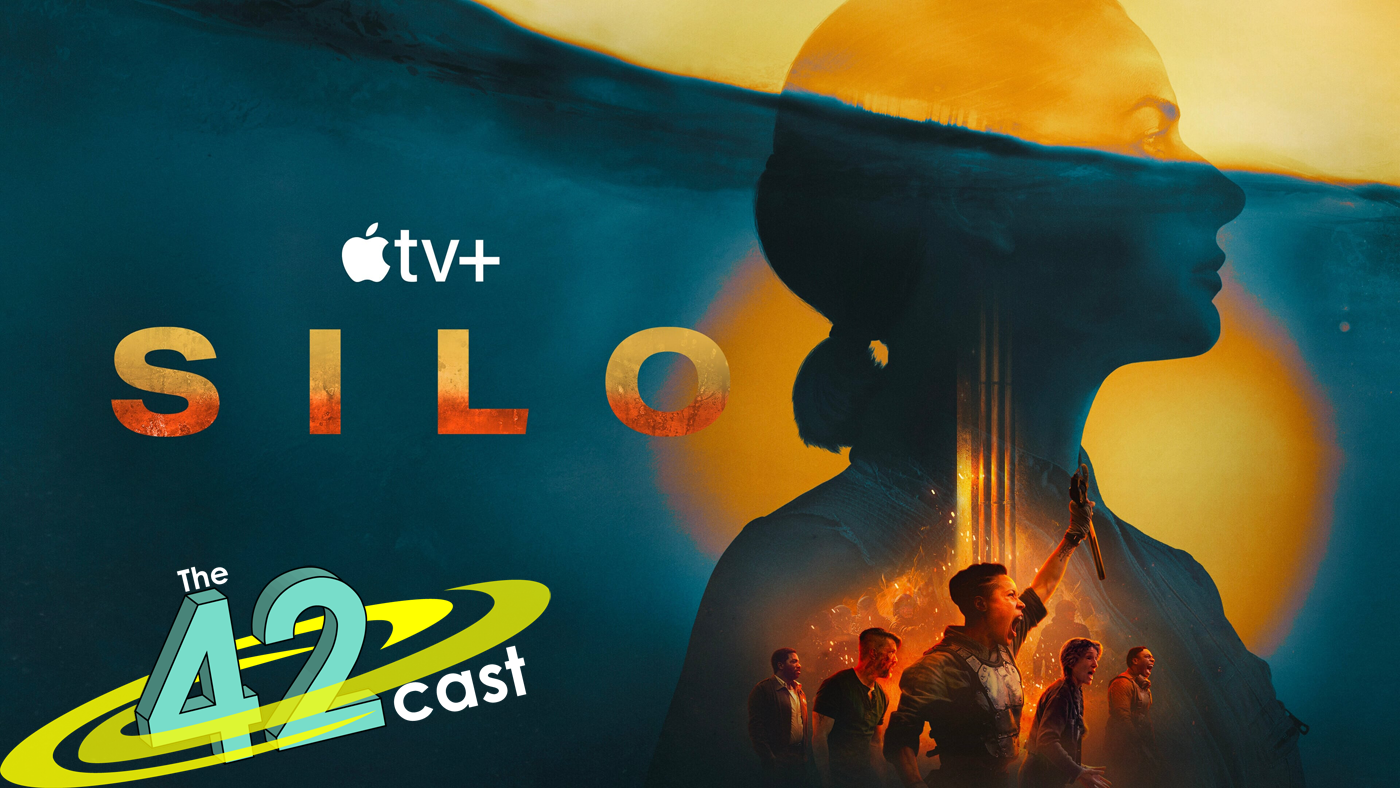 Silo is a post-apocalyptic series on Apple TV starring Rebecca Ferguson and based on the Silo book series by Hugh Howey. Ferguson plays Juliette Nichols an engineer turned sheriff who’s pursuit of the truth in criminal investigations leads her to search for the truth about the history and world that she lives in. In this episode we review the first two seasons of the series. We discuss the setting of the Silo and why it’s different from similar series that we’ve seen. We talk about the characters and performances and how we feel about Ferguson in the main role. We also get into the plot and ask questions that we want to see answers to and mention some things that we don’t think makes sense.


