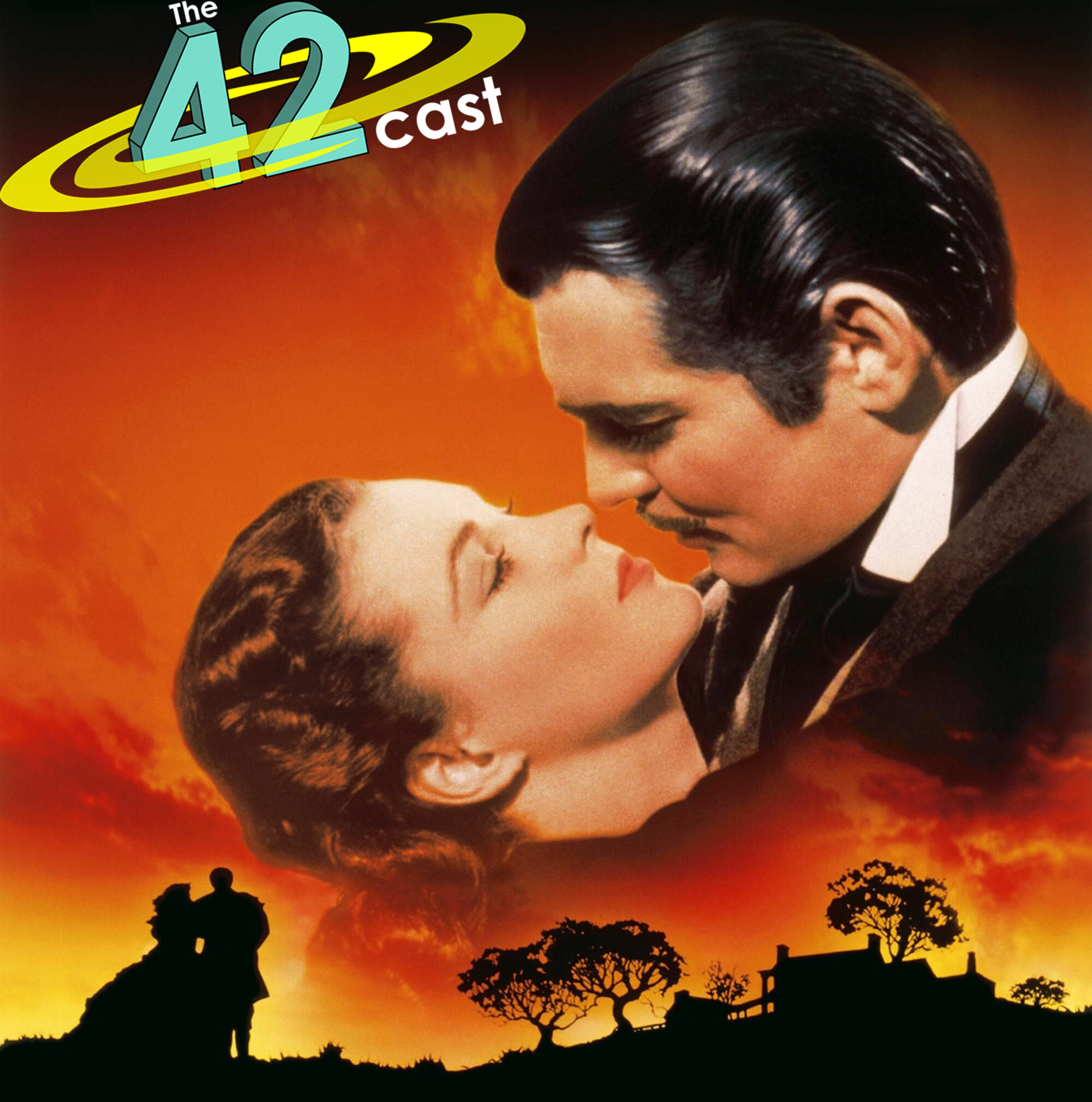
 Gone With the Wind is an epic film that released in 1939. Adapting the novel of the same name, it told the tale of Scarlet O’Hara throughout the years of the Civil War and reconstruction. The movie was a huge hit both in the United States and internationally. Adjusted for inflation it is the highest grossing film of all time. It also has the distinction of being the first film to award an Academy Award to a person of color with Hattie McDaniel winning the Oscar for best supporting actress. Yet, this film has also come under fire for its depictions of race, assault on women, and southern life. We take a look at this film and question why it has remained so popular throughout the years. We discuss some of the history behind the movie, the script, and the cast. We also examine the depictions of women and people of color and talk about modern sensibilities, historical accuracy, and room for nuance. We end with a conversation about whether this movie should still be viewed today.
Due to time constraints there is no five-minute controversy this week.
This week Michael, Keith, Kimi, and Nate join the cast.
Like what you heard? Follow us on Facebook at www.facebook.com/42cast. You can also find us on X as @42cast, Instagram/Threads as 42cast, or Blue Sky as 42cast.bsky.social. We can also be found on Youtube or rss.com where you can find links to all of the various podcast providers where we can be found. Please, leave us a review. Have a question for the Ultimate Answer? E-mail us at [email protected]. Want to be part of the discussion, join our Discord Server where you can talk about any form of geekiness, opine on the episodes, or participate in our general silliness.
 Screen Reads is back to discuss another film and compare it to the comics that form its roots. In this installment we delve into the 2003 movie Daredevil and compare it to issues 173-184 of the Daredevil comic as well as the director’s cut of the film. We talk about the differences between the director’s cut and theatrical editions and what we thought worked better in each. We debate what elements we think could have been changed and what worked better. We get into the Daredevil issues and talk about the quality of the story as well as how it was used to inform the choices of the movie. We also give our opinions of the cast performances and various elements of the film.
 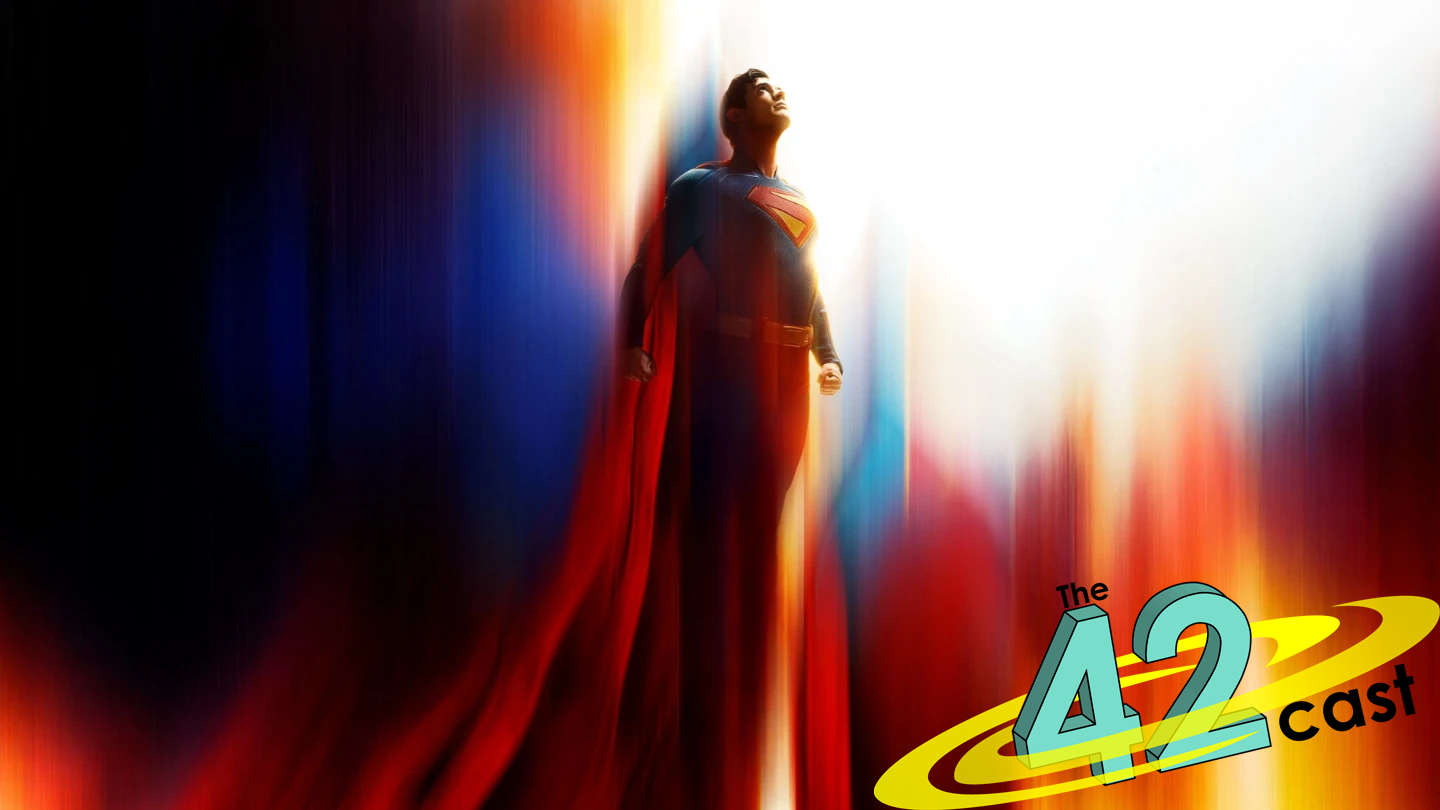 Superman (2025) generated far too much discussion for us to contain it in a single episode. In part 2 we return to the series. We discuss the Justice Gang, what we think of the individual members, and why an unkind person doing good is a great thing to showcase. We also talk about the themes of winning versus saving and how that was modeled throughout the series. We also get into Jimmy weirdness, canine implications, and Gunn violence.
 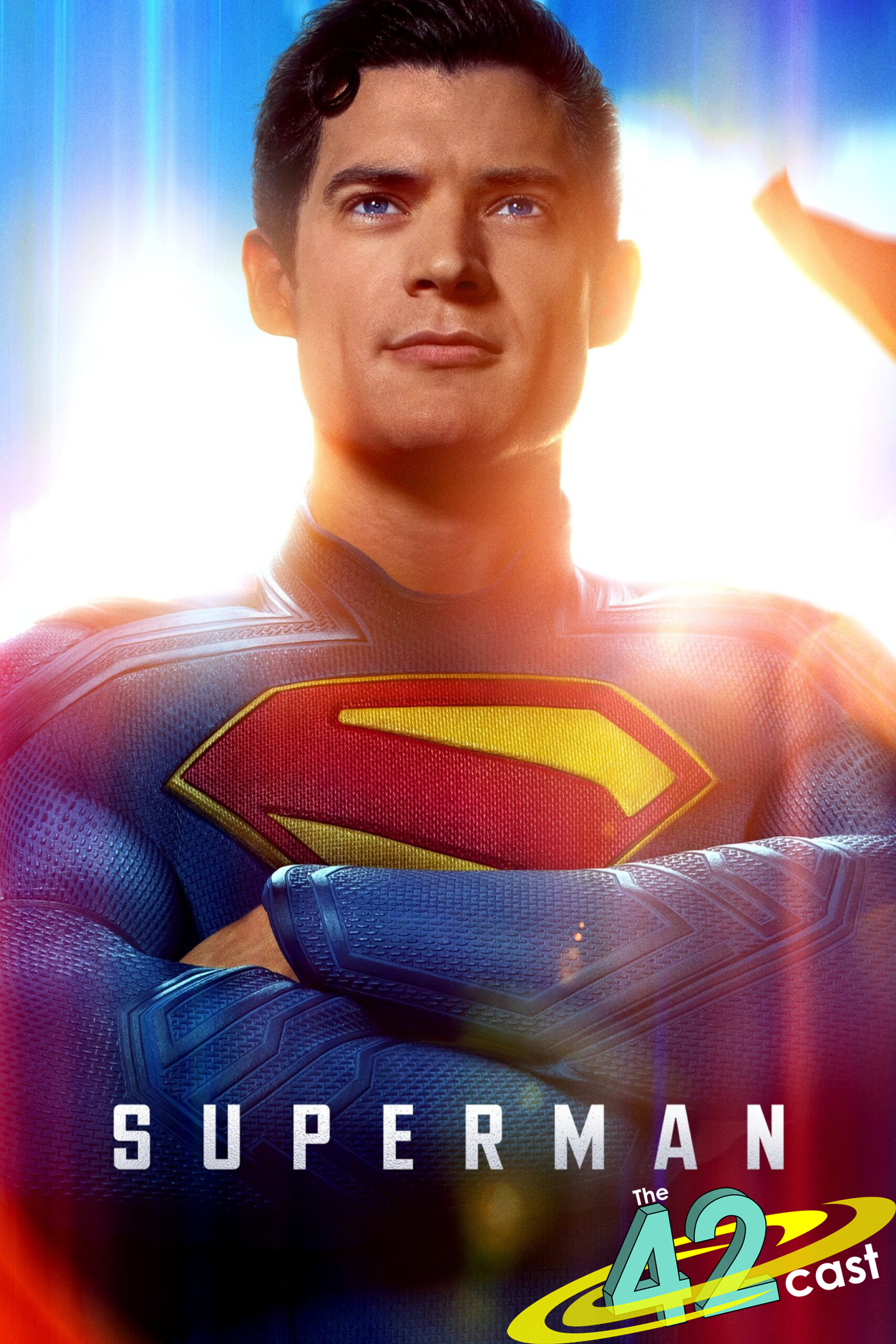 Superman is the first full entry into James Gunn’s DCU. Facing backlash from those who wished the DCEU to continue, the film had a lot riding on it to prove the narrative vision of this new version of the DC universe across multiples forms of media. In this episode we have part one of our examination of this film. We discuss how it works as an initial outting for the DCU. We talk about some of the themes inherent within the character of Superman and shown in this film. We also dive into several of the controversies in the movie and give our takes on them.
 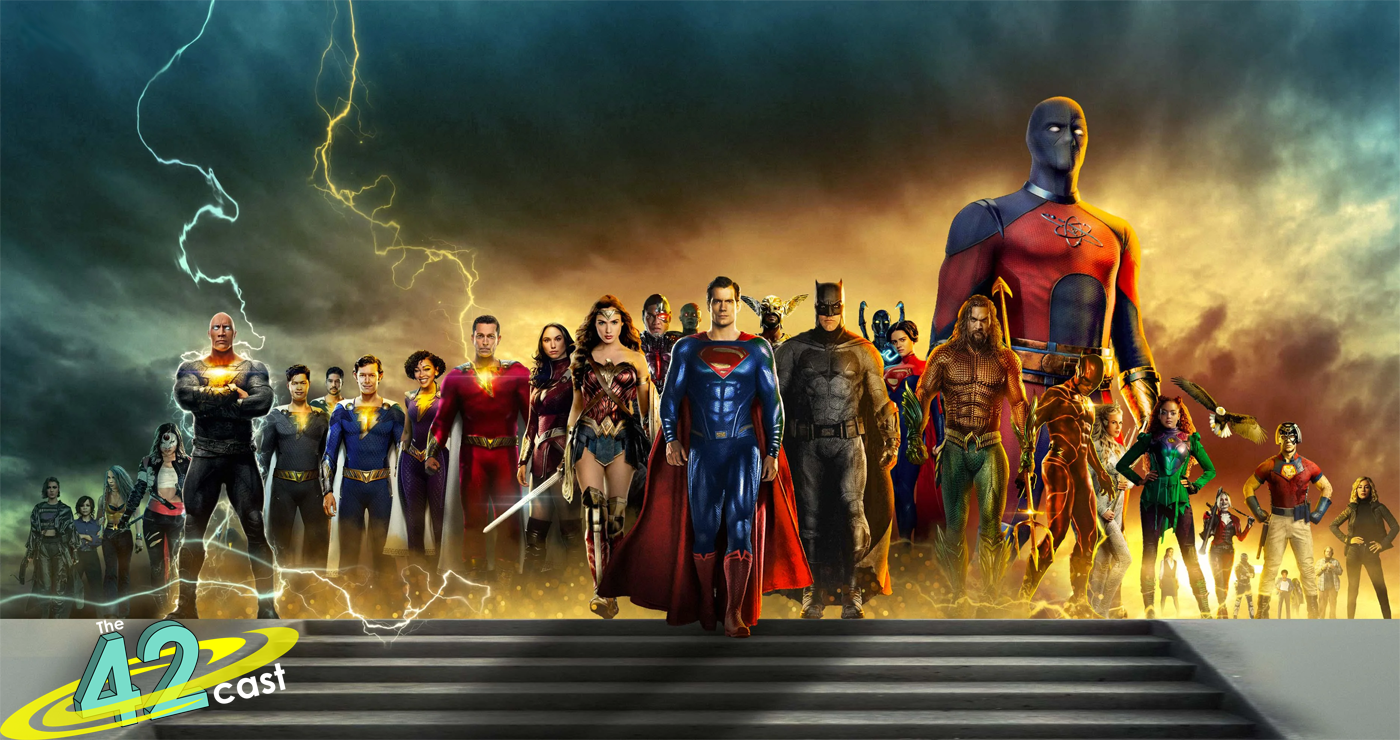 Superman month concludes this week, but we couldn’t leave without talking about the last iteration of The Man of Steel. In this episode we look at the entirety of the DCEU – from a franchise of franchises overseen by Zack Snyder to a disjointed dying gasp of poorly performing films and ones pulled before they could see the light of day – we go over the ins and outs of the series. We talk about the merits of the films and what we feel lead to its downfall. Along the way we also discuss our favorite and least favorite movies of them all.
 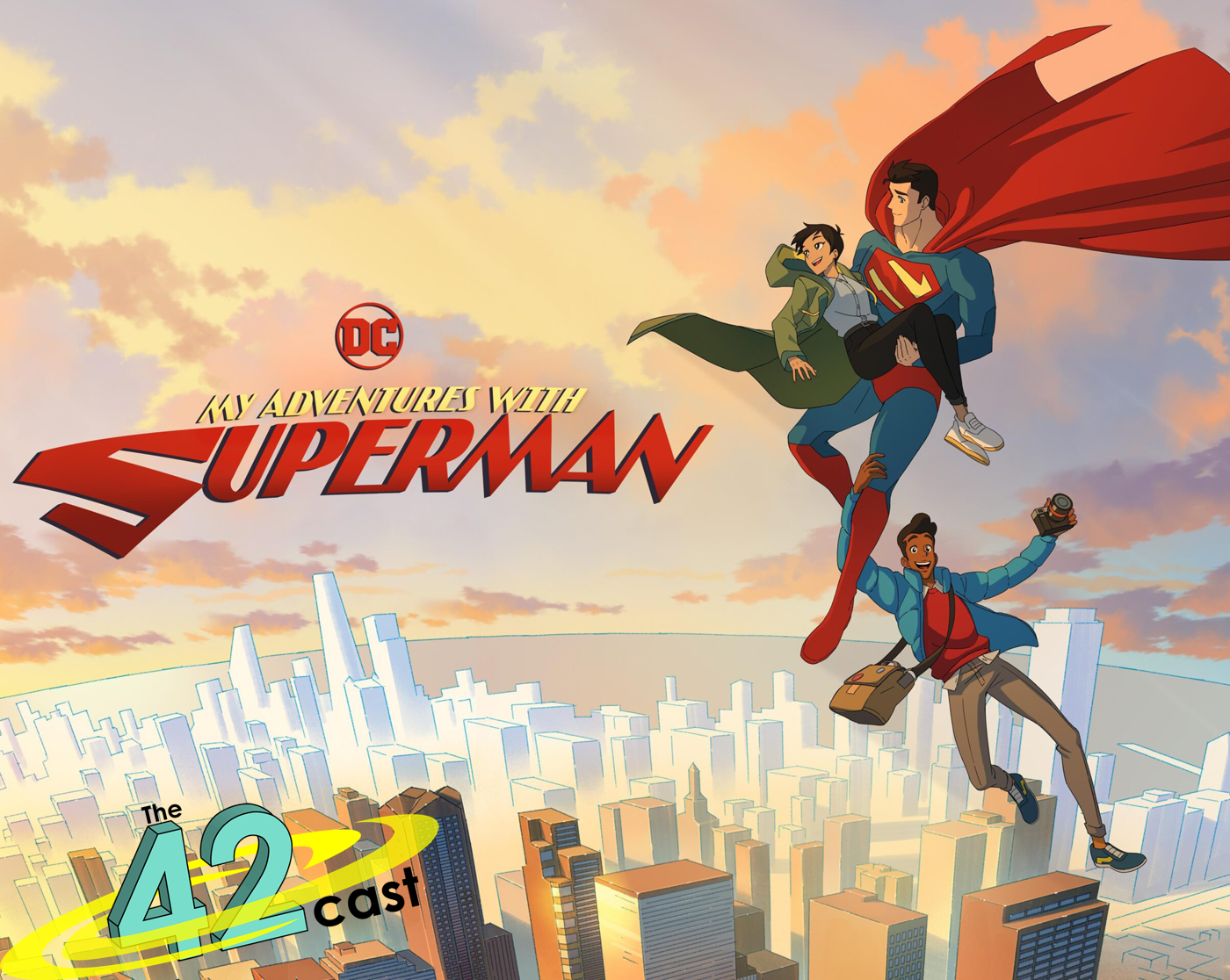 My Adventures with Superman is an animated take on the man of Steel that airs on the Cartoon Network and HBO Max. The series provides a slightly different take on Superman, following his adventures as a young intern at the Daily Planet and featuring an anime inspired style. In this episode we review about both seasons of the series. We talk about the characters and how the different lens of the series reimagines characters who are typically part of Superman’s supporting cast and ones who aren’t. We discuss the art style and what we like and don’t like about the anime-inspired take. We also get into performances and what we want to see from the series in season three.
 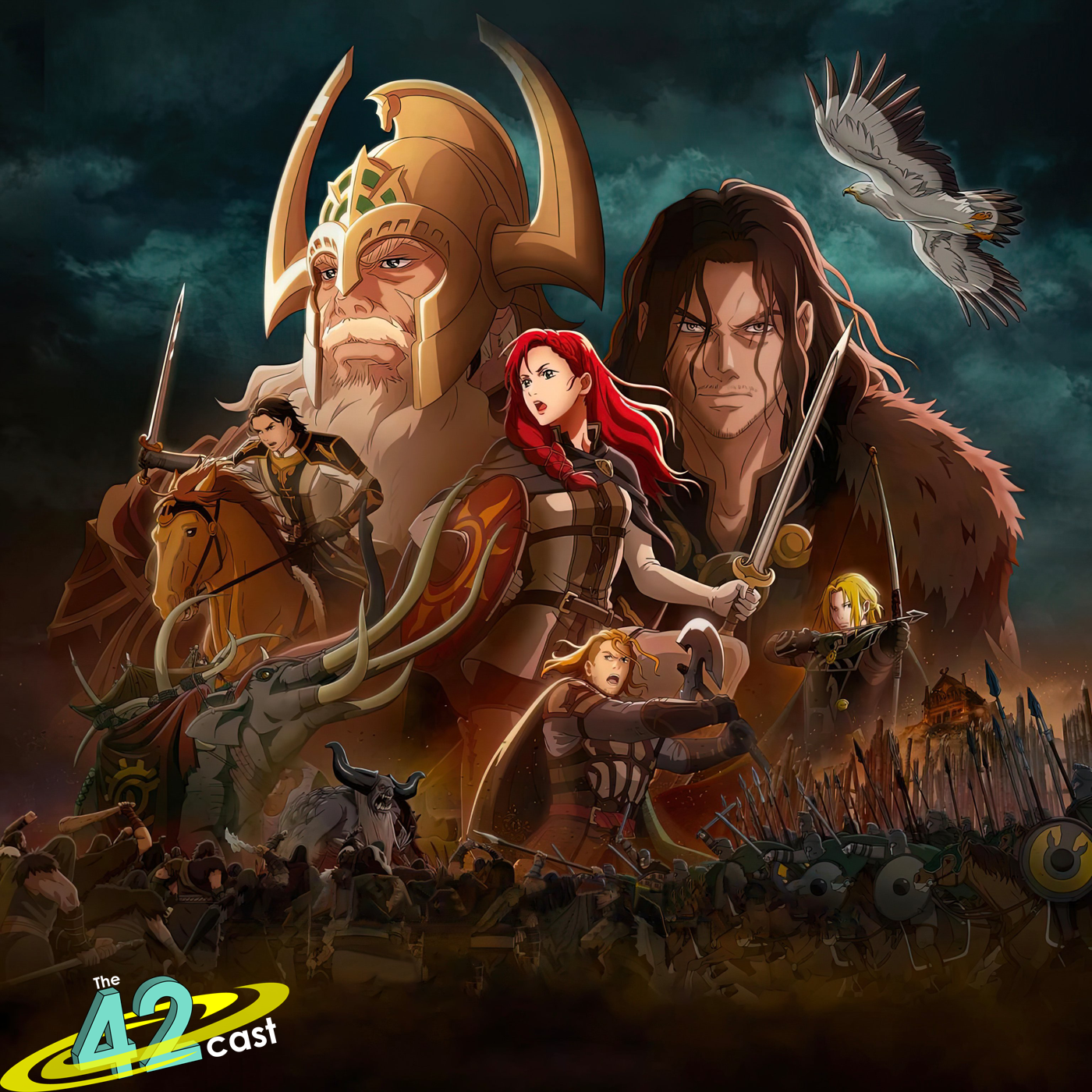 The War of the Rohirrim was the first attempt by Warner Bros to extend the use of their Middle-Earth license to include stories beyond the written works of The Hobbit and Lord of the Rings. Set 180 years before the events of The Lord of the Rings, it tells the story of how Helm’s Deep got its name and showcases the daughter of Helm, Hera. Conceived as an anime, the script was written in English and animated by a Japanese studio with a Japanese director. In this episode we review the movie. We discuss it as an adaptation of very scant material from Tolkien’s written work. We talk about how well it fits into the narrative of Middle-Earth and Tolkien’s style. We opine on the characters, the plot, and the performances. We also debate the merits of the animation and the music. Along the way we’ll get into the fashions, tactics in personal combat and warfare, and the touchstones to other parts of the franchise.
 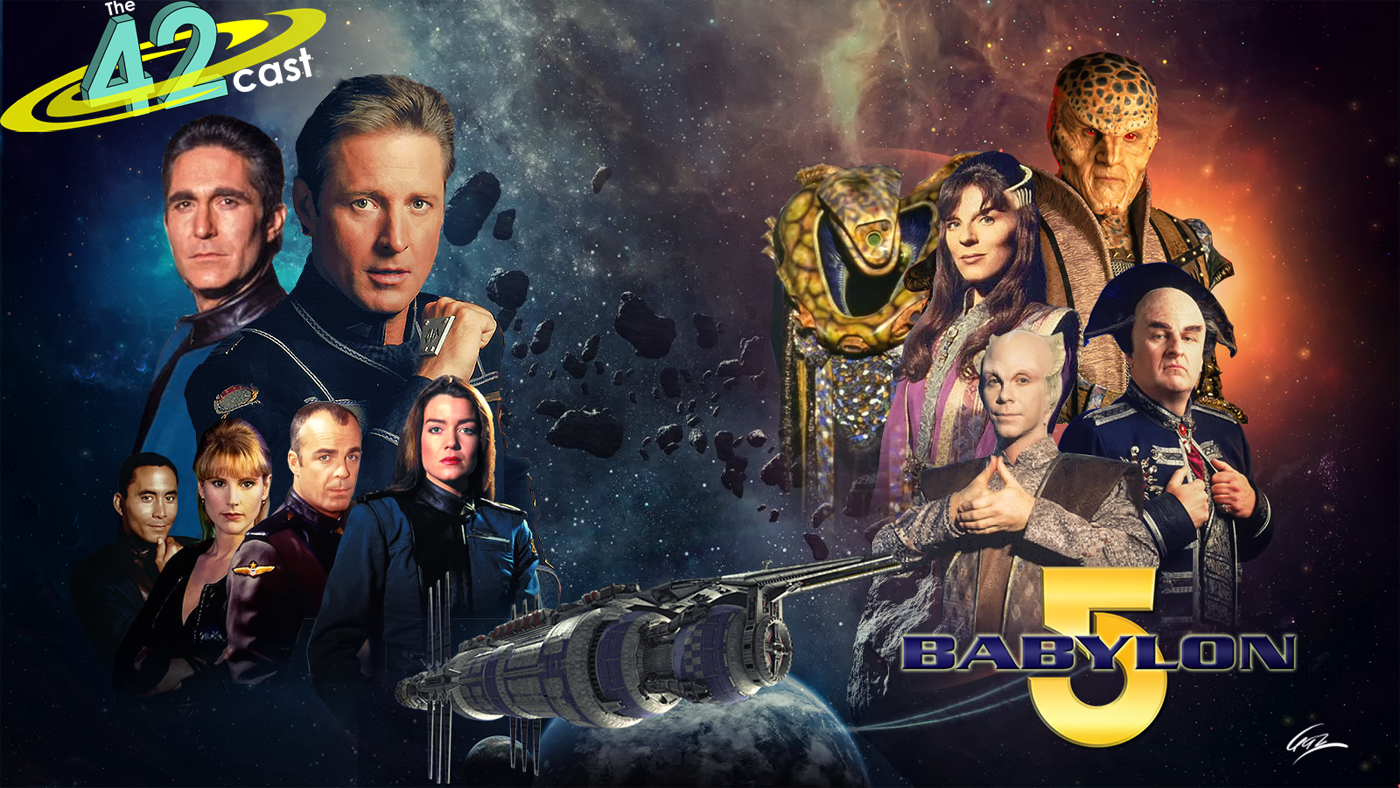 >Babylon 5 created a revolution in television in the mid-90’s. Series creator J. Michael Stracynski was told that science fiction would never succeed on television if it wasn’t Star Trek. Yet, the man had a dream and he fulfilled that dream. Conceiving of a series that would last for five years with a defined beginning, middle, and ending Babylon 5 succeeded in its mission by providing complex, interwoven story arcs in an era when television was almost completely full of stand alone episodes. In this episode we do a deep dive on Babylon 5. We discuss what made the series both revolutionary and successful. We also talk about the characters, what we think worked and what we think didn’t, and whether we think the series should be rebooted.
 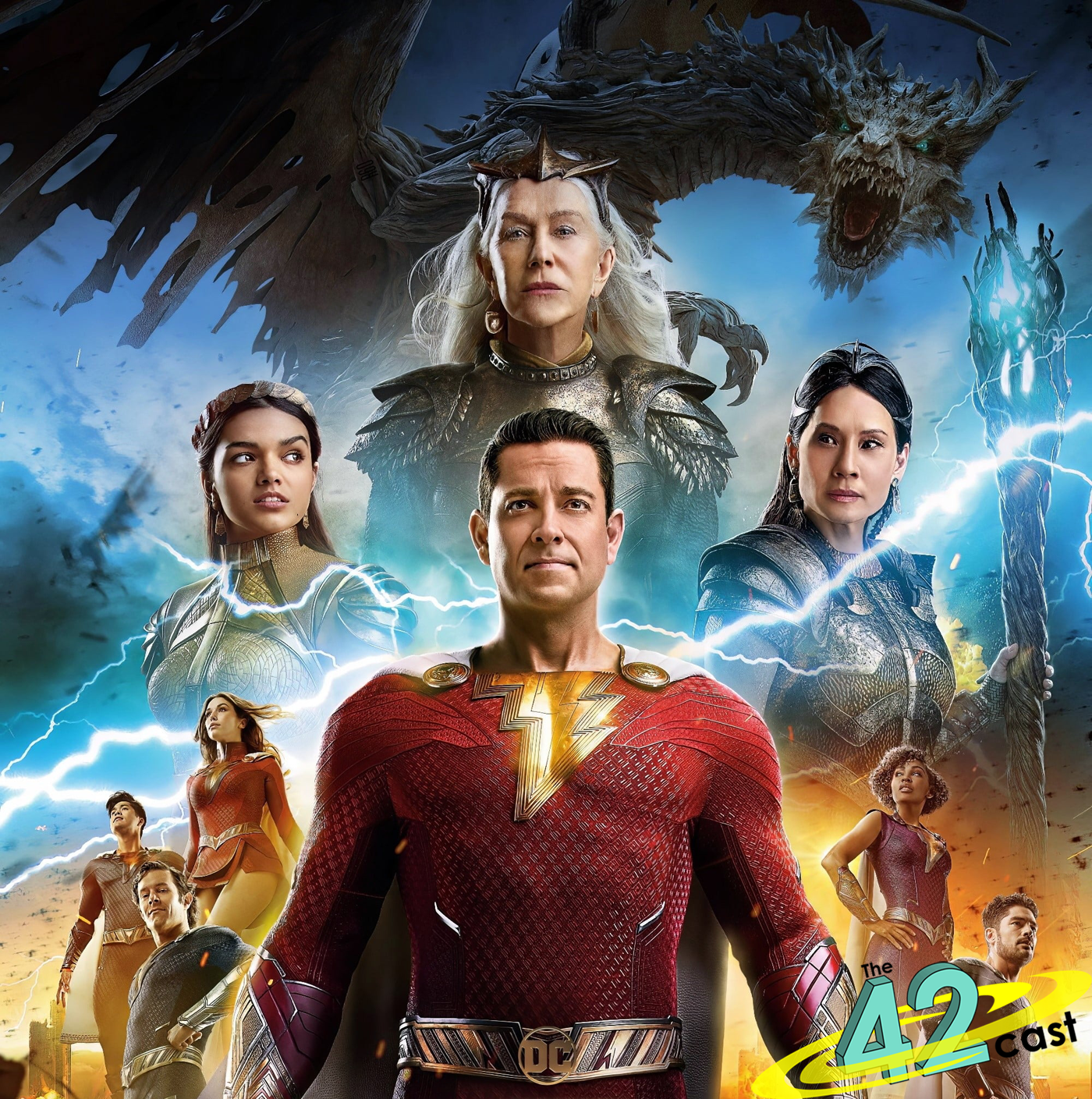 Shazam was a surprise release from DC in 2019. The movie saw an effort to move away from the dark and gritty storytelling that had characterized DC movies since the late 80’s and move it back towards a more amusing bent. The movie was not as expensive as the more recent DC films so even it’s somewhat modest performance at the box office earmarked it as a success. In this movie we discuss its sequel, Shazam: Fury of the Gods. In this episode we talk about the characters and performances in the movie. We also discuss the plot and the placement of cameos in the film. We also debate whether the announcement of Gunn’s DCU tanked the ticket sales for the film and whether we think this film will be the last with the Shazam family.
 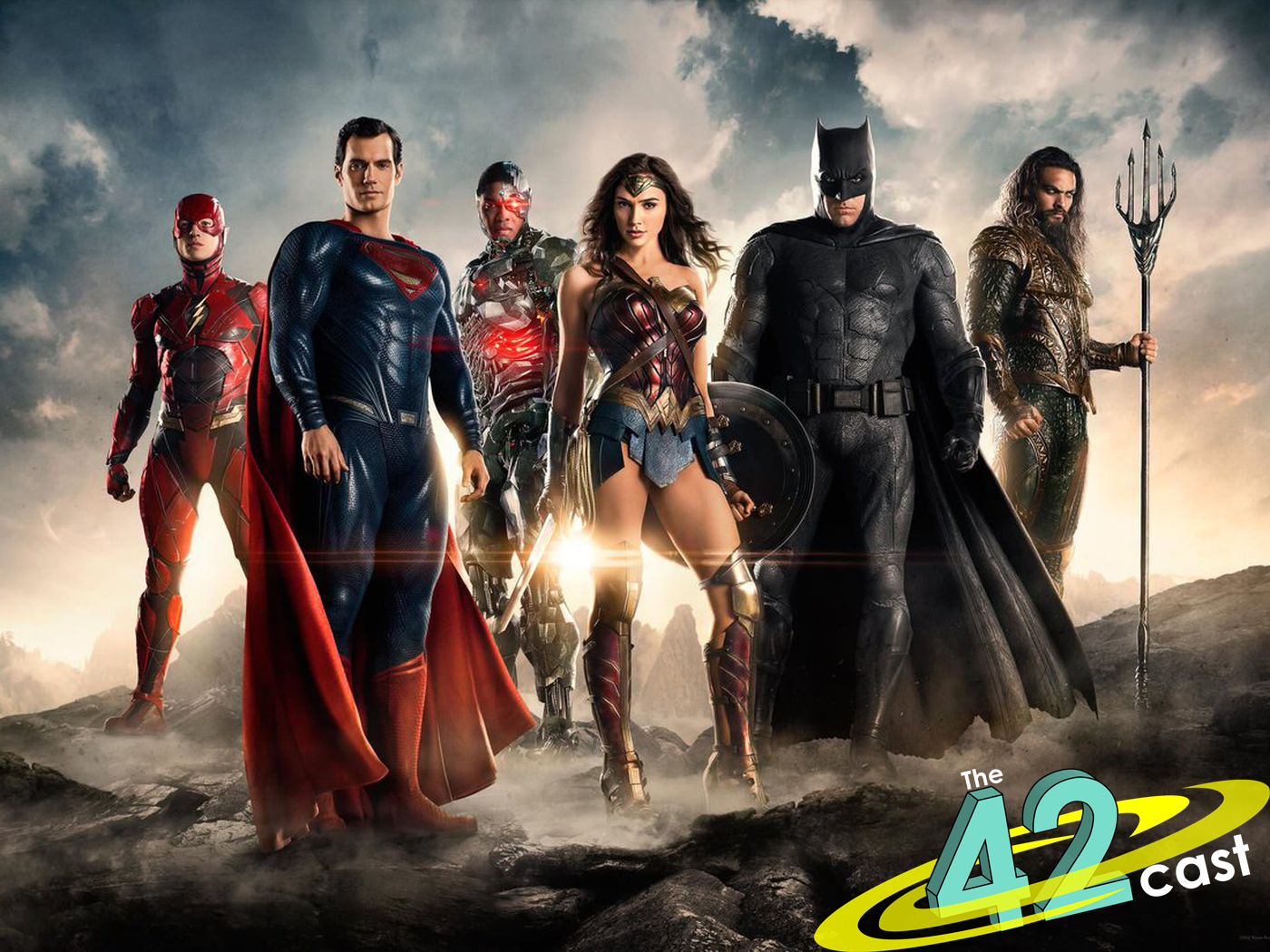 Justice League was released to theaters in 2017. However, the result left many audience goers unhappy. As the culmination of plotlines that Zack Snyder had started in Man of Steel and Justice League it seemed to fall short. The more humorous tone that the studio wanted was at odds tonally with what had gone before leaving many fans of Snyder’s work unhappy. Since that time there have been calls to release Snyder’s original cut of the movie. With HBO Max looking for new content they paid Snyder to complete his cut, which they released as a 4-hour long film. In this episode we look into the Snyder cut. We discuss its differences with the theatrical version as well as how it fits in as the third movie in Snyder’s vision. We also ask if WB should return to Snyder’s vision based on this cut and whether the Ayer cut of Suicide Squad should be released.